If the Netherlands and Sweden meet at the FIFA World Cup 2026, it projects as a matchup where structure and decision-making can decide everything. Sweden have historically been at their best when they can protect the center, defend crosses, and turn set pieces and transitions into high-value chances. The Netherlands, meanwhile, traditionally thrive when their positional play, tempo changes, and coordinated pressing pull opponents out of their shell.
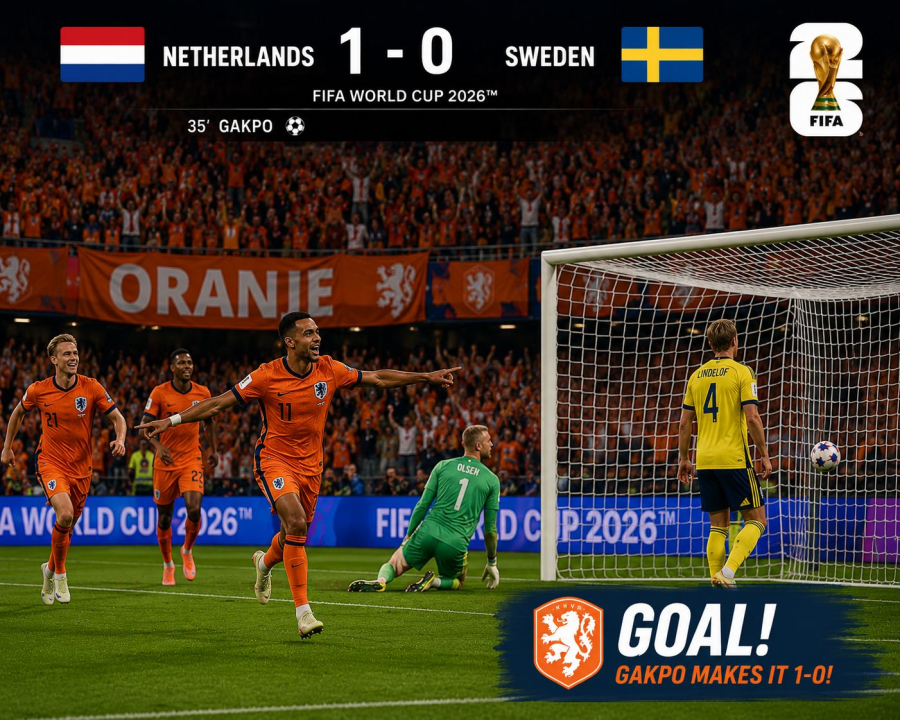
This article lays out a winning, Netherlands-first tactical blueprint: how to create better shots, reduce Sweden’s strengths, and build a match plan that travels well across group games and knockout football.
Why this matchup can swing on small details
Both nations have deep football identities that tend to show up in big tournaments. Sweden have a long history of being hard to break down and dangerous when matches become physical, direct, and set-piece heavy. The Netherlands have a strong tradition of technical control and collective pressing that can tilt territory and possession.
In a World Cup setting, the margins are thin. A single second ball, a single poorly defended corner, or a single sloppy rest-defense moment can decide it. The good news for the Netherlands is that these are also areas where planning and rehearsed mechanisms can deliver outsized benefits.
Core tactical identity to lean into: control with purpose
The most persuasive path for the Netherlands is not “possession for possession’s sake,” but possession with clear threat. Against Sweden, control should achieve three outcomes:
- Disorganize the block through width, rotations, and third-man runs.
- Win territory so set pieces happen closer to Sweden’s goal, not yours.
- Prevent transitions with strong rest-defense structure.
When the Netherlands combine tempo control with decisive vertical actions, they can keep Sweden defending facing their own goal, which reduces Sweden’s best moments: counterattacks and set-piece pressure.
Winning tactic #1: Stretch Sweden horizontally, then attack the half-spaces
Sweden’s defensive reputation is built on protecting the central lane and defending the box well. The Netherlands can create higher-quality chances by using the full width first, then exploiting the spaces between Sweden’s lines.
How to do it
- Pin with width: keep both flanks occupied to stop Sweden shifting early.
- Target half-spaces: create receiving lanes between fullback and center-back, and between midfield lines.
- Use third-man runs: if Sweden block the direct pass, the third-man movement becomes the release valve.
Why it works
Compact teams often defend the center by narrowing. If the Netherlands can make Sweden defend the wide player first, the interior lanes tend to open briefly. Those brief openings are where elite chance creation happens: cutbacks, square balls, and late arrivals for first-time shots.
Winning tactic #2: Build with a back three to bait pressure, then break it fast
A major advantage for the Netherlands is the ability to change build-up shapes without changing personnel. A 3-2 base in early build-up (whether via a fullback inverting or a midfielder dropping) can help the Netherlands create better passing angles and control Sweden’s pressing choices.
Practical build-up triggers
- If Sweden press with two, create a three-at-the-back to generate a free player.
- If Sweden sit off, advance the ball calmly and push a midfielder into the space in front of Sweden’s midfield line.
- If Sweden jump to the ball-side, use a quick switch to the far side and attack before the block resets.
The goal is to avoid slow, predictable circulation. Sweden are comfortable defending for long spells if the ball stays in front of them. The Netherlands should use build-up to manufacture clear, repeatable moments to play through and immediately threaten.
Winning tactic #3: Make set pieces an advantage, not a danger
Sweden have historically been strong on set pieces and aerial duels, which means the Netherlands’ approach should be proactive: win more attacking set pieces while reducing the quality of defensive ones conceded.
Attacking set-piece plan (Netherlands)
- Prioritize delivery quality: pace and placement beat “hopeful height.”
- Attack the second ball: place strong ball-winners at the edge of the box for rebounds.
- Create traffic: screens and crossing runs can open a clean finishing lane without relying purely on aerial dominance.
Defensive set-piece plan (Netherlands)
- Reduce cheap fouls in wide zones, especially when Sweden are set and organized.
- Own the six-yard box with clear roles (attack the ball, block runners, protect the goalkeeper’s space).
- Plan the exit: once the first contact is made, have a pre-assigned outlet to relieve pressure and prevent repeat attacks.
This approach creates a major tournament benefit: it turns one of Sweden’s traditional sources of momentum into an area where the Netherlands can feel calm and prepared.
Winning tactic #4: Press with triggers, not with emotion
Pressing is one of the Netherlands’ most valuable levers, but against a disciplined opponent, it needs to be trigger-based rather than constant. Smart pressing wins the ball in useful zones and prevents Sweden from launching clean direct play.
High-value pressing triggers
- Backward pass into the defensive line: jump and lock the ball-side options.
- Receiver with closed body shape: press from the blind side to force a turnover.
- Wide trap: steer play to the touchline and press with the winger, fullback, and a supporting midfielder.
How to protect against the long ball
- Rest-defense spacing: keep distances short enough to win second balls.
- Cover behind the press: one player screens central passes while another protects depth.
- Goalkeeper positioning: be ready to sweep behind the line when Sweden go direct.
The payoff is twofold: the Netherlands win the ball closer to goal (better chances), and Sweden get fewer situations where they can build confidence through territory and duels.
Winning tactic #5: Create chances with cutbacks and low crosses
Against a team that defends the box well, the most repeatable high-quality chance often comes from getting to the byline and playing the ball back into the “golden zone” around the penalty spot and the edge of the six-yard box.
Chance-creation patterns to emphasize
- Underlapping runs from a midfielder or fullback to reach the byline.
- Low, hard cutbacks aimed behind the first defender, not floated to the far post.
- Late arrivals from midfield for first-time finishes (harder to mark than a static striker).
This is benefit-driven football: it reduces reliance on low-percentage shots and increases the odds of shots from central, high-value areas.
Winning tactic #6: Control the “second phase” after attacks
Matches against Sweden can turn on what happens immediately after the Netherlands lose the ball. If the Netherlands attack with too many players on the same line and without coverage, Sweden can counter into space and win set pieces. If the Netherlands attack with layered spacing, Sweden’s transition chances shrink.
Rest-defense checklist
- Two plus one behind the ball: two defenders and one screening midfielder positioned to delay counters.
- Far-side awareness: don’t allow a simple switch to the weak side after losing it.
- Immediate counter-press for 5 seconds: win it back or force a clearance.
The Netherlands don’t need to remove risk entirely; they need to shape the risk so Sweden’s best transition moments are replaced by low-quality clearances and defended throw-ins.
Game-state plan: what the Netherlands should do at 0–0, 1–0, and 0–1
World Cup matches are often decided by game states. A tactical plan that changes with the scoreline keeps the Netherlands in control of the narrative.
| Scoreline | Netherlands priority | What it achieves |
|---|---|---|
| 0–0 | Probe patiently, then accelerate with switches and half-space entries | Limits Sweden’s transition chances while building consistent pressure |
| 1–0 up | Keep the ball, win territory, and press on triggers (not all-in) | Forces Sweden to open up without handing them easy counters |
| 0–1 down | Increase box presence, attack with cutbacks, and raise the tempo responsibly | Creates higher shot volume without losing rest-defense stability |
Personnel principles (without depending on specific names)
Because squads can change and 2026 selection decisions depend on form and fitness, the most reliable approach is to think in profiles. Against Sweden, these profiles bring the best tactical returns:
- A press-resistant pivot who can receive under pressure and play forward quickly.
- A line-breaking midfielder who arrives late in the box (for cutbacks and rebounds).
- Wide players who can hold width and also attack inside when the half-space opens.
- Fullbacks comfortable in two roles: overlapping for width or inverting to support build-up.
- Center-backs who win first contact and stay compact to clean up second balls.
This is where the Netherlands can shine: flexible, technically secure roles that allow the team to look the same in possession while constantly changing the opponent’s defensive picture.
Mini playbook: 5 repeatable moves the Netherlands can rehearse
Sweden’s organization improves when they recognize patterns. The Netherlands can stay one step ahead by rehearsing a small set of high-value “go-to” actions that appear similar but end differently.
- Wide-to-wide switch followed by an immediate dribble inside for a cutback.
- Half-space bounce: play into a midfielder between lines, set back first-time, then slip a runner behind.
- Underlap to the byline: winger holds width, fullback or midfielder underlaps, low cross to the penalty spot.
- Set-piece second ball: intentional delivery to create a cleared ball into a prepared shooter zone.
- Pressing trap: force the ball to Sweden’s wide area, win it, and attack before they reset.
These moves don’t require perfect conditions. They create advantages through repetition, clarity, and speed of execution.
What “success” looks like in the match stats
To keep the plan grounded, here are measurable indicators that the Netherlands’ tactics are working:
- More shots from central areas created by cutbacks rather than hopeful crosses.
- Fewer defensive set pieces conceded, especially in wide areas near the box.
- High recoveries that lead to quick chances (not just sterile possession wins).
- Second-ball dominance after clearances and aerial duels.
- Controlled transitions: Sweden forced into low-percentage long balls instead of clean counters.
When these indicators show up, the Netherlands are not just “playing well.” They are actively reducing Sweden’s best paths to goal while maximizing their own.
Final takeaway: a Netherlands plan built for World Cup-winning moments
A Netherlands vs Sweden clash at the 2026 World Cup would likely reward the team that combines patience with precision. The Netherlands can put themselves in the strongest position by stretching the block, attacking half-spaces, turning set pieces into an edge, and pressing with clear triggers.
The biggest benefit of this approach is that it is repeatable under pressure. It does not depend on a single burst of brilliance. It builds chances systematically, protects against Sweden’s strengths, and gives the Netherlands multiple ways to win the match whether it becomes open, tight, or decided by one decisive sequence.
