A Netherlands vs Japan meeting at the 2026 FIFA World Cup has all the ingredients of a modern classic: tactical discipline, quick transitions, and two football cultures that consistently produce smart, technically polished teams. If this matchup lands on June 14 in the tournament schedule, it would be an ideal early-to-mid competition showcase—high energy, high stakes, and high potential for a statement performance.
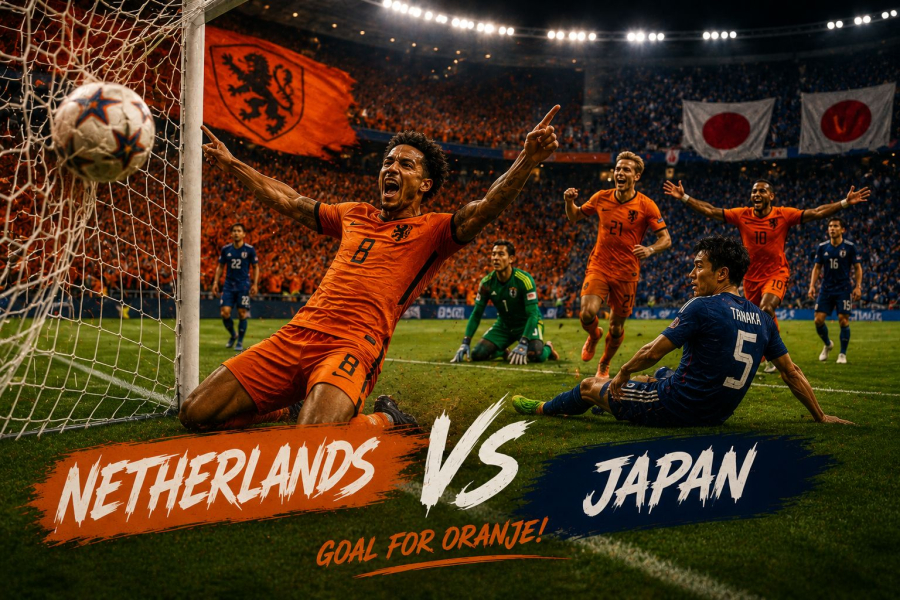
One important note for fans planning ahead: match dates, groups, and venues for the 2026 World Cup are organized by FIFA and can change as tournament logistics are finalized. This guide is written as a fan-first preview of what a June 14 Netherlands vs Japan game could deliver, focusing on the benefits for viewers, travelers, and anyone building a watch-party experience around a marquee international matchup.
Why Netherlands vs Japan Feels Like a “Perfect World Cup Game”
Some World Cup pairings deliver star power. Others deliver narrative. Netherlands vs Japan can deliver both, with a bonus: it’s a clash of footballing philosophies that rewards even casual viewers.
- Clear contrasting identities: The Netherlands are historically associated with structured positional play and intelligent rotations, while Japan are widely respected for collective organization, technical cleanliness, and relentless tempo.
- High tactical ceiling: This is the kind of match where small adjustments matter—press triggers, fullback positioning, rest defense, and set-piece strategy can decide everything.
- Momentum implications: In World Cup group stages, one performance can shift the entire outlook. A big result can spark confidence, boost goal difference strategy, and simplify qualification math.
- Global fan appeal: European traditional power meets one of Asia’s most consistent modern programs, creating a crossover event for neutral fans.
From a pure entertainment standpoint, this pairing tends to produce football that looks and feels like the modern elite game: fast decisions, compact team shapes, and moments of decisive quality.
A Quick Historical Touchpoint (Without Overpromising)
The Netherlands and Japan have shared a notable World Cup memory: at the 2010 FIFA World Cup, the Netherlands defeated Japan 1–0 in the group stage. While that match is not a blueprint for 2026, it underscores something useful for fans: these teams can produce tight, disciplined contests where composure and tactical execution win out.
More broadly, both teams have built strong World Cup reputations in the modern era:
- The Netherlands have reached multiple World Cup finals (including 2010) and earned a third-place finish in 2014, reflecting a long-standing ability to peak on the biggest stage.
- Japan have repeatedly qualified for the tournament in the modern era and gained global respect for their organized, fearless performances against elite opponents—most famously with impressive results at the 2022 World Cup.
The benefit for fans is straightforward: this is not a “mystery matchup.” It’s a meeting of two programs with proven tournament habits—preparation, structure, and the ability to deliver under pressure.
What Each Team Can Do Really Well (And Why It’s Great for Viewers)
Netherlands: Control with Purpose
When the Netherlands are at their best, they combine possession with intent. That means the ball is not just circulated for safety; it’s used to create advantages—dragging opponents out of shape, finding gaps between lines, and generating high-quality chances from smart positioning.
Key viewer benefits when the Netherlands are flowing:
- Readable patterns that build tension: You can feel chances coming as the team progresses through phases.
- Threat from multiple angles: Attacks often involve wide combinations, late runs, and central overloads.
- Set-piece danger: Strong set-piece routines can decide close tournament games, which makes every corner and free kick meaningful.
Japan: Speed of Thought and Teamwide Discipline
Japan’s biggest strength is how quickly they can turn collective organization into attacking momentum. Their best performances often feature sharp spacing, quick combinations, and immediate counterpressure when possession changes hands.
Why that’s a win for fans:
- High tempo without chaos: Matches stay lively, but the structure keeps it coherent.
- Transitions that pop: When Japan win the ball, they can accelerate play instantly, which creates highlight-worthy sequences.
- Team-first football: Viewers get to watch a unit operating as a unit—pressing together, recovering together, and creating chances through coordinated movement.
The Tactical Themes Likely to Decide the Game
Even without locking into specific player names or a confirmed 2026 match sheet, there are predictable tactical levers that often determine games like this. If you want to watch like an analyst (without losing the fun), keep an eye on these themes.
1) Press vs build-up: who wins the first two passes?
If Japan press aggressively, the Netherlands’ ability to play through the first wave becomes a major advantage. If the Netherlands disrupt Japan’s first outlet passes, Japan may be pushed into longer clearances, turning the game into repeated duels for second balls.
2) The wide areas: fullbacks and wingers as game-breakers
In modern international football, width is not just about crossing. It’s about stretching the opponent’s defensive line and creating half-space opportunities. A Netherlands vs Japan game could hinge on who controls the wide channels—especially when one fullback steps high and the other tucks inside to protect against counters.
3) Transition management: “rest defense” wins tournaments
One of the clearest benefits of watching elite tournament teams is seeing how they prevent counters. The team that protects itself best after losing the ball often creates more sustained pressure and fewer emergency defensive moments. Expect both teams to value structure, which can make the match feel like a chess game that occasionally erupts into sprints.
4) Set pieces: the tournament shortcut
World Cup group games can be decided by a single dead-ball moment. That’s not pessimistic—it’s a reminder that execution under pressure matters. Watch for:
- Near-post runs designed to flick on.
- Screening movements that free a main header.
- Second-phase shots from the top of the box after a clearance.
At-a-Glance Matchup Snapshot
This quick table summarizes what many fans love about the pairing: each side brings strengths that naturally test the other.
| Match Element | Netherlands (Typical Strength) | Japan (Typical Strength) |
|---|---|---|
| In-possession approach | Structured build-up, positional discipline | Quick combinations, efficient progression |
| Out-of-possession identity | Organized shape, strong spacing | Coordinated pressing, collective recovery |
| Transition moments | Selective counters with strong support | Fast breakouts and immediate counterpressure |
| Set-piece impact | Often a major scoring avenue in tight games | Well-drilled routines and disciplined marking |
| What fans get | Control, composure, and big-moment execution | Energy, precision, and rapid tempo shifts |
Storylines That Can Make June 14 Feel Even Bigger
A World Cup match becomes unforgettable when it carries meaning beyond the 90 minutes. Here are storylines that can elevate a Netherlands vs Japan game—especially if it lands on June 14, a date that could fall at a pivotal point in group-stage momentum.
A “statement match” for the group
These are the games teams use to announce their intent. A convincing win can:
- Boost confidence for the next fixture.
- Create tactical fear in future opponents.
- Clarify group dynamics by changing what results other teams need.
A showcase of modern football development
The Netherlands are one of football’s most influential nations in terms of coaching ideas and talent development. Japan’s rise reflects years of investment in technical standards and international experience. A meeting between them is a celebration of how football evolves—how principles travel, adapt, and become sharper.
A global fan connection game
One underrated benefit: this matchup attracts viewers who love tactical football, not just celebrity players. It’s the kind of game where a well-timed run, a compact defensive line, or a smart press trap can get as much appreciation as a long-range goal.
How to Watch Like a Pro (Even If You’re a Casual Fan)
You don’t need coaching badges to enjoy this match on a deeper level. A few simple “watch cues” can make the game more engaging.
Watch cue #1: the space behind the first press
When Japan step forward to press, look at what the Netherlands do with the space behind that first line. Do they find a midfielder between lines, or go wide to escape pressure?
Watch cue #2: where the second ball lands
If either team plays long (even occasionally), the fight for the second ball often dictates momentum. The side that wins two or three second balls in a row can suddenly tilt the field.
Watch cue #3: how wingers are defended
Do fullbacks engage early, or delay and wait for support? Early engagement can prevent crosses, while delaying can force play backward and reduce risk.
Watch cue #4: corners and wide free kicks
In tournament football, set pieces can feel like mini-penalties. Pay attention to rehearsed movement patterns, blockers, and who attacks which zone.
Planning a June 14 Match Day Experience: Simple Ways to Maximize the Fun
If you’re treating June 14 as a can’t-miss football day, you can make it feel like an event—without overcomplicating it. Here are practical, high-payoff ideas.
For watch parties
- Build a “two-cuisine” snack table: A simple Netherlands-inspired side and a Japan-inspired side makes the match feel special.
- Do a first-goal prediction board: Keep it friendly and light—predictions like “set piece,” “counterattack,” or “outside the box” are easy for everyone.
- Use a halftime reset ritual: Quick recap, one tactical observation, then back to enjoying the second half.
For travelers (without assuming a venue)
Because the 2026 World Cup is hosted across multiple countries and cities, travel planning depends on confirmed schedules. Still, a smart approach can deliver big benefits:
- Plan flexible: Use refundable options when possible until match details are confirmed.
- Prioritize transport simplicity: In tournament travel, convenience is a competitive advantage.
- Leave buffer time: Security lines, transit delays, and fan-zone detours are part of the experience.
For early planners tracking the schedule
- Set a schedule-check reminder once official fixtures are released.
- Shortlist multiple match-day options (stadium, fan zone, home viewing) so you can adapt instantly.
- Prepare a “core kit”: team colors, portable charger, and a plan for post-match meetups.
What a Win Could Mean (Positive Outcomes for Both Teams)
In a World Cup group stage, a single win can unlock a surprising amount of upside. Here’s what victory could represent for each side—without assuming the tournament context or group makeup.
If the Netherlands win
- Authority and control: A win over a disciplined opponent signals readiness for knockout-style chess matches.
- Rhythm and confidence: Tournament form can snowball, and a composed performance builds belief.
- Defensive credibility: If the Netherlands manage Japan’s tempo well, it suggests strong balance across phases.
If Japan win
- Global statement: Japan already command respect; beating a European heavyweight reinforces top-tier status.
- Proof of progress: A signature result validates development pathways and tactical identity.
- Momentum for the squad: World Cup runs are often powered by one galvanizing performance.
From a fan perspective, the best part is that either outcome can be inspiring: a classic example of execution under pressure, whether through control, tempo, or collective discipline.
Key Questions Fans Will Be Asking Before Kickoff
- Who dictates tempo? Does the match settle into Netherlands-controlled phases, or does Japan keep it sharp and transitional?
- Which team creates clearer chances? Tournament games often come down to chance quality rather than shot volume.
- How early does the first tactical adjustment arrive? Watch for shape changes, pressing height shifts, and substitutions that target specific matchups.
- Can either side win the “moments”? One miscontrol, one set piece, one brave run—World Cups are defined by moments.
Final Take: Why Netherlands vs Japan Is Worth the Hype
If the 2026 World Cup delivers a Netherlands vs Japan fixture on June 14, it’s the kind of match that rewards every type of fan. It’s accessible because the styles are distinct and the narratives are easy to follow. It’s compelling because the tactical details matter. And it’s memorable because both programs have the mindset and structure to produce big-stage performances.
Circle the date, plan your match-day setup, and get ready for a game that can deliver the best of the World Cup in one package: quality football, smart strategy, and the thrill of a result that can reshape a tournament.
